Orvala — Blog — Guides
What property renders cost, and what actually drives the number
Render quotes vary by an order of magnitude for what looks like the same job. Here is what genuinely moves the price, and where developers overpay.
Ask three studios to quote the same development and the numbers can differ by a factor of ten. That is not because two of them are wrong. It is because the brief was ambiguous and each one priced a different job.
What you are actually buying
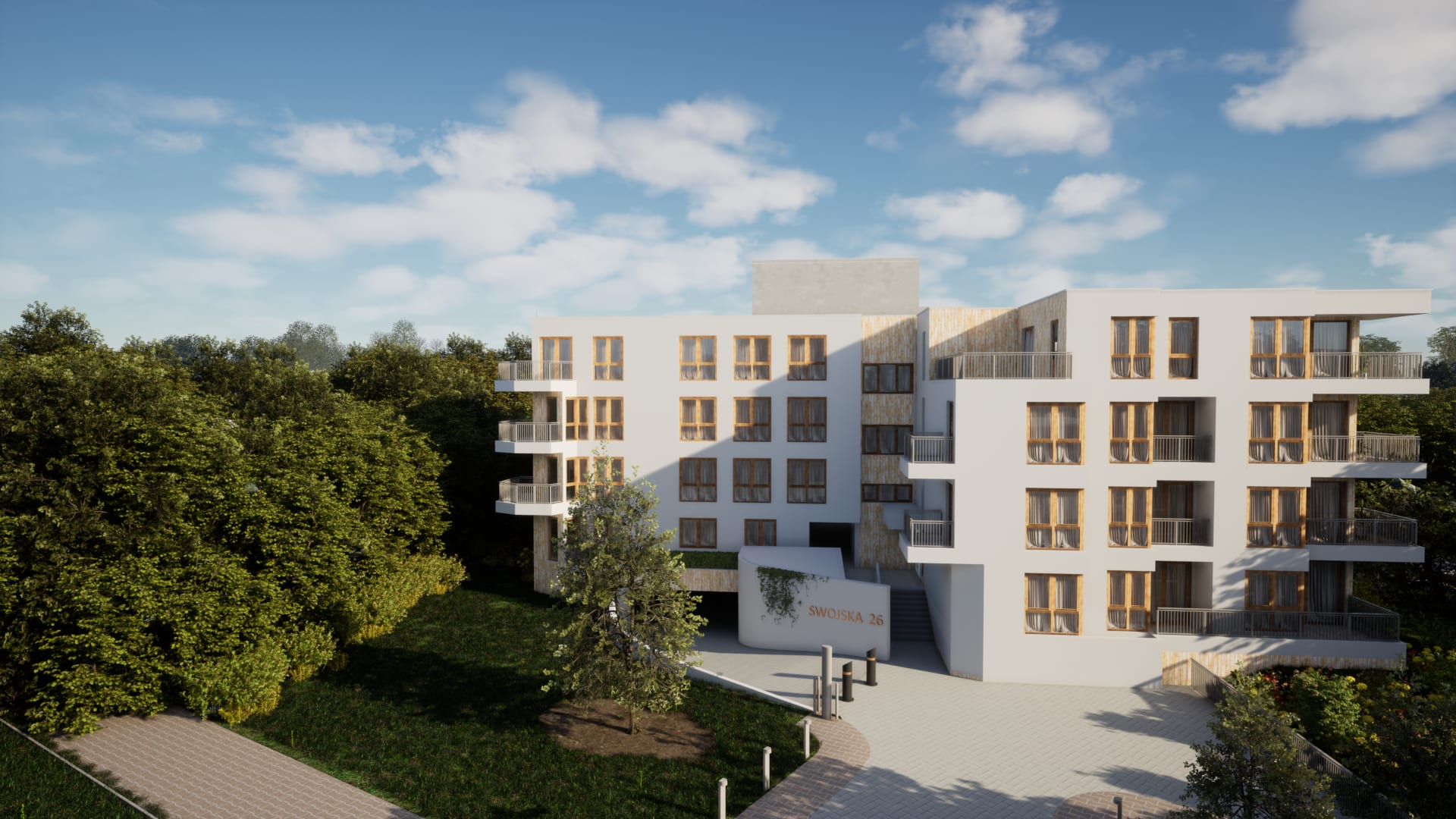
The image is the last step. Most of the cost sits before it:
- Modelling — turning drawings into geometry accurate enough to survive being looked at closely. This is the single largest variable, and it is entirely determined by what you supply.
- Materials and lighting — the part that separates a render that sells from one that looks like a planning submission.
- Context — surrounding buildings, landscape, streets. A site in an empty field is cheap. A site in a dense city centre is not.
- Population — people, cars, furniture. Cheap to add badly, expensive to add well.
- Revisions — the round trips. Usually the biggest source of cost overrun on both sides.
What you supply changes the price more than anything else
A coordinated 3D model from your architect can remove a large share of the work. A set of PDF plans at inconsistent scales adds it back, plus the time spent resolving contradictions between drawings.
If you want one lever on cost, it is this one. Ask your architect for the model before you ask a visualiser for a quote.
Stills, animation and interactive are different products
A still is one frame. An animation is hundreds or thousands of frames of the same quality, so render time scales accordingly — although the modelling and lighting work is shared, which is why commissioning both together costs far less than commissioning them separately six months apart.
Interactive adds a different kind of work: per-unit identification, so the software knows which pixels belong to which apartment. That is production work with a known cost, not a mystery.
The expensive mistake is not paying too much for renders. It is paying twice because the second commission could not reuse the first.
Where developers overpay
Three patterns, repeatedly:
- Commissioning a hero image early, then a full set later from a different studio, and paying to build the same model twice.
- Buying twenty images when six would have carried the campaign, because nobody defined what each image was for.
- Paying for revisions caused by an unclear brief — a sunset that should have been specified on day one, a facade material that changed after the render started.
How to brief so the quotes are comparable
State the deliverable list with a purpose against each item, the resolution, the time of day, whether people and cars are wanted, what model and drawings you can supply, how many revision rounds are included, and the date you need it. Send the same brief to everyone.
Quotes that vary by ten times usually stop varying by more than thirty per cent once the brief is specific.
Book a call
See your own building running like this.
Send us the development — units, floors, and whatever drawings or model you already have. We come back with what it would look like, what it would cost, and how long it would take.