Orvala — Blog — Guides
Renders, virtual tours or interactive 3D: which one actually sells off-plan apartments?
Three ways to show a building that does not exist yet, and what each is good for. A plain comparison for developers spending a marketing budget.
Every off-plan launch has to answer the same problem: how do you sell a home nobody can walk through? There are three established answers, and they are not interchangeable. Most developers buy the wrong one first, because the vendors selling each of them describe it as the whole solution.
Still renders
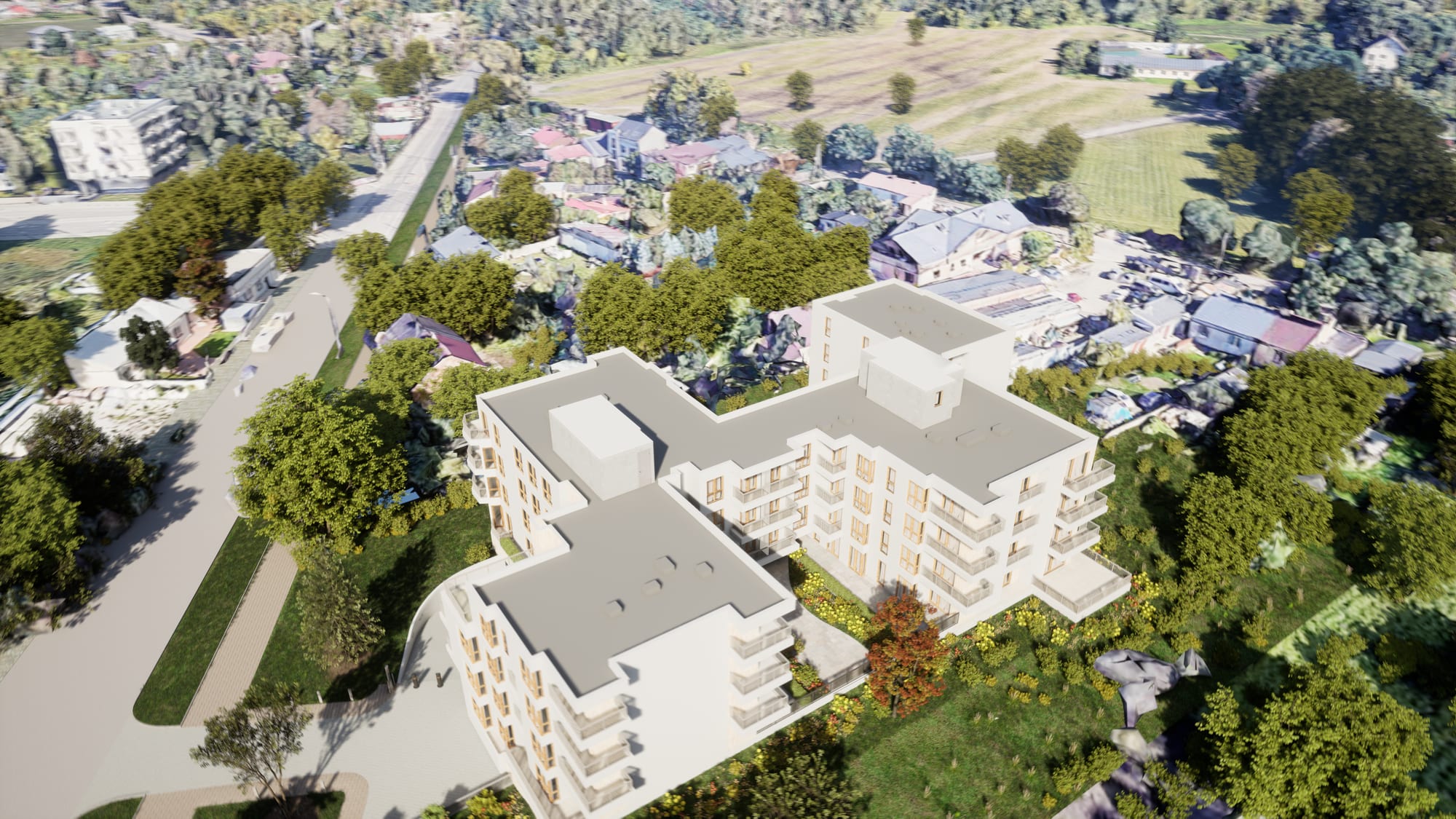
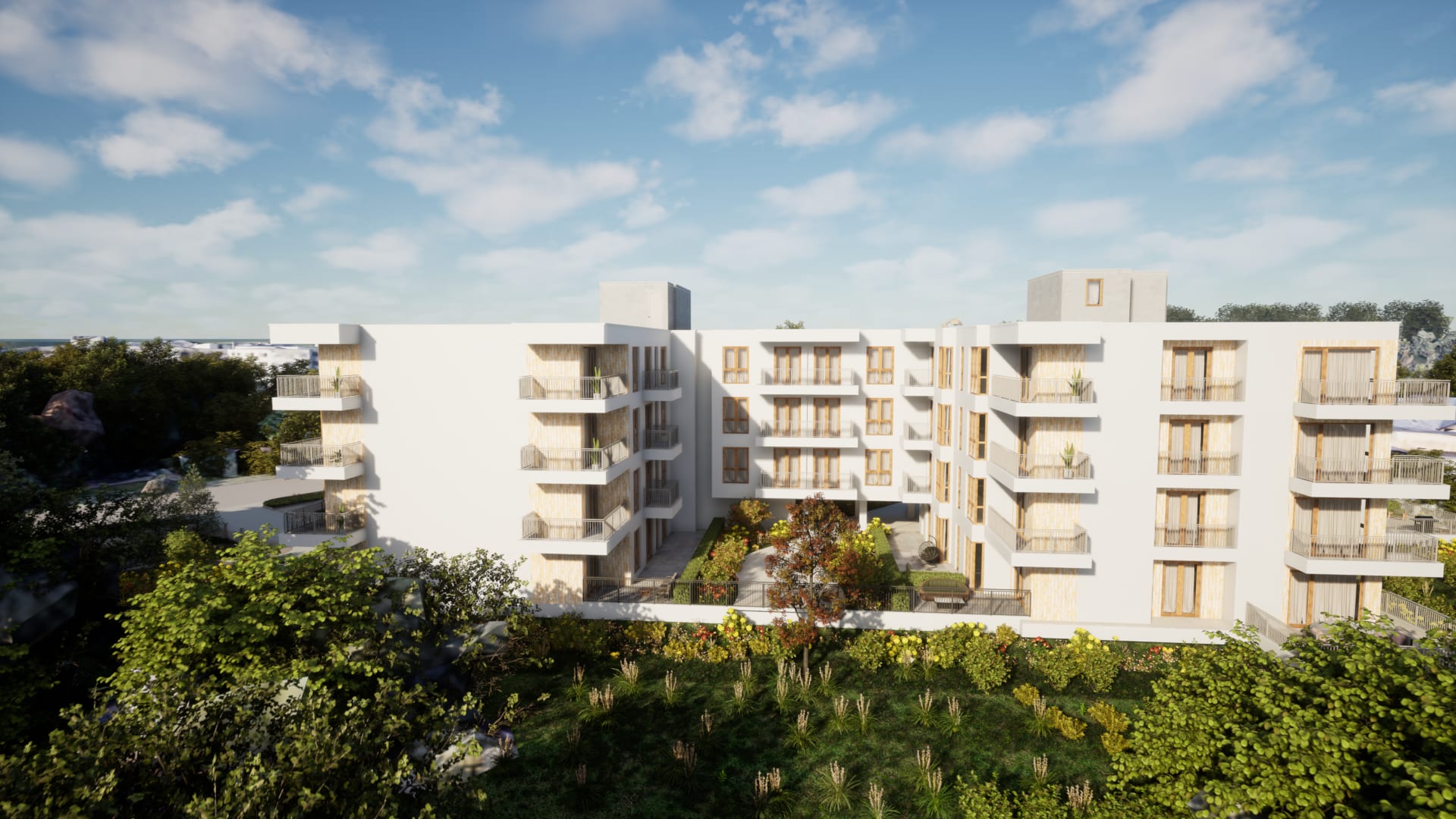
A set of photoreal images: the exterior from its best angle, a couple of interiors, maybe an aerial. This is the baseline. Every development needs them, and they are what goes on the hoarding, in the brochure, and in the press.
What they do well: set the tone and make the scheme feel real and desirable. What they cannot do: tell a buyer anything about a specific apartment. A render of the building does not answer which unit is which, what floor five looks out at, or what any of it costs. Renders sell the development. They do not sell an apartment.
Virtual tours
A 360-degree walk through a show apartment or a modelled interior. Buyers spin around a living room, step into the kitchen, look out of the window.
What they do well: give a sense of space and finish, and answer the question of what it feels like inside. Genuinely useful late in the decision, when a buyer has already chosen the unit and wants reassurance.
What they cannot do: help someone choose. A tour of one apartment says nothing about the other ninety. It does not show orientation, position in the building, or availability. And a buyer who has not yet decided which unit they want has no reason to spend four minutes inside one.
A virtual tour answers the last question a buyer asks. Most of your visitors are still on the first one.
Interactive 3D
The whole development, explorable. Buyers move around the building, see every apartment outlined on the facade, filter by floor, rooms, aspect and budget, and open any unit to see its plan, its view and its price.
What it does well: the choosing. It answers the where, the how big, and the how much for every apartment at once, and it does it without a salesperson in the room. It also tells the sales team what each visitor looked at, which is information the other two formats simply do not generate.
What it is not: a substitute for renders. It is built from them. The developments that do this well commission the renders and the interactive experience together, because they share the same model and the same lighting, and doing them separately means paying to build the same thing twice.
Which one, and in what order
If the budget covers one thing, it is renders — you cannot launch without them. If it covers two, add interactive 3D before a virtual tour, because it works for every visitor rather than only the ones already decided. A virtual tour is the third purchase, for the show apartment, once the units are moving.
The mistake we see most is the opposite order: renders, then a virtual tour because it demos well in a boardroom, then months later a realisation that nobody on the site can work out which apartment is which.
The question to ask any vendor
Whichever you are buying, ask one thing: can a buyer on a phone find a specific apartment, see where it is, and get its price, without contacting anyone? If the answer is no, you are buying something that makes the development look good rather than something that sells the units in it. Both have a place. Only one moves the pre-sale date.
Book a call
See your own building running like this.
Send us the development — units, floors, and whatever drawings or model you already have. We come back with what it would look like, what it would cost, and how long it would take.