Orvala — Blog — Strategy
The pre-sale threshold your lender sets, and what it does to marketing
Construction finance usually unlocks at a pre-sale percentage. That number quietly sets your entire marketing timeline. Here is how to plan around it.
Most residential developments are financed against pre-sales. The lender agrees to fund construction once a set share of units is contractually reserved — commonly somewhere between a third and a half of the scheme, though it varies widely by market, lender and sponsor covenant.
Confirm your own figure with your lender rather than assuming a market norm. What matters here is not the number itself but what it does to your schedule.
The threshold is a deadline, not a target
Every week between launch and threshold is a week of holding costs against a site that is not yet generating anything. That makes early sales velocity disproportionately valuable — not because the units are worth more, but because reaching the threshold sooner shortens the most expensive part of the project.
Which is why marketing readiness is a financing question. If sales materials are not ready at launch, the meter has already started.
Why this argues for spending on marketing early
The instinct is to keep marketing spend light until the scheme is de-risked. Financially this is backwards. The period before threshold is exactly when a better sales tool has the highest leverage, because it compresses the most expensive weeks.
Marketing that arrives after the threshold is met has missed the part of the project where it was worth the most.
What buyers need in order to commit early
Early buyers are being asked to reserve something they cannot see, from a developer whose site is a hoarding. They need three things, in this order:
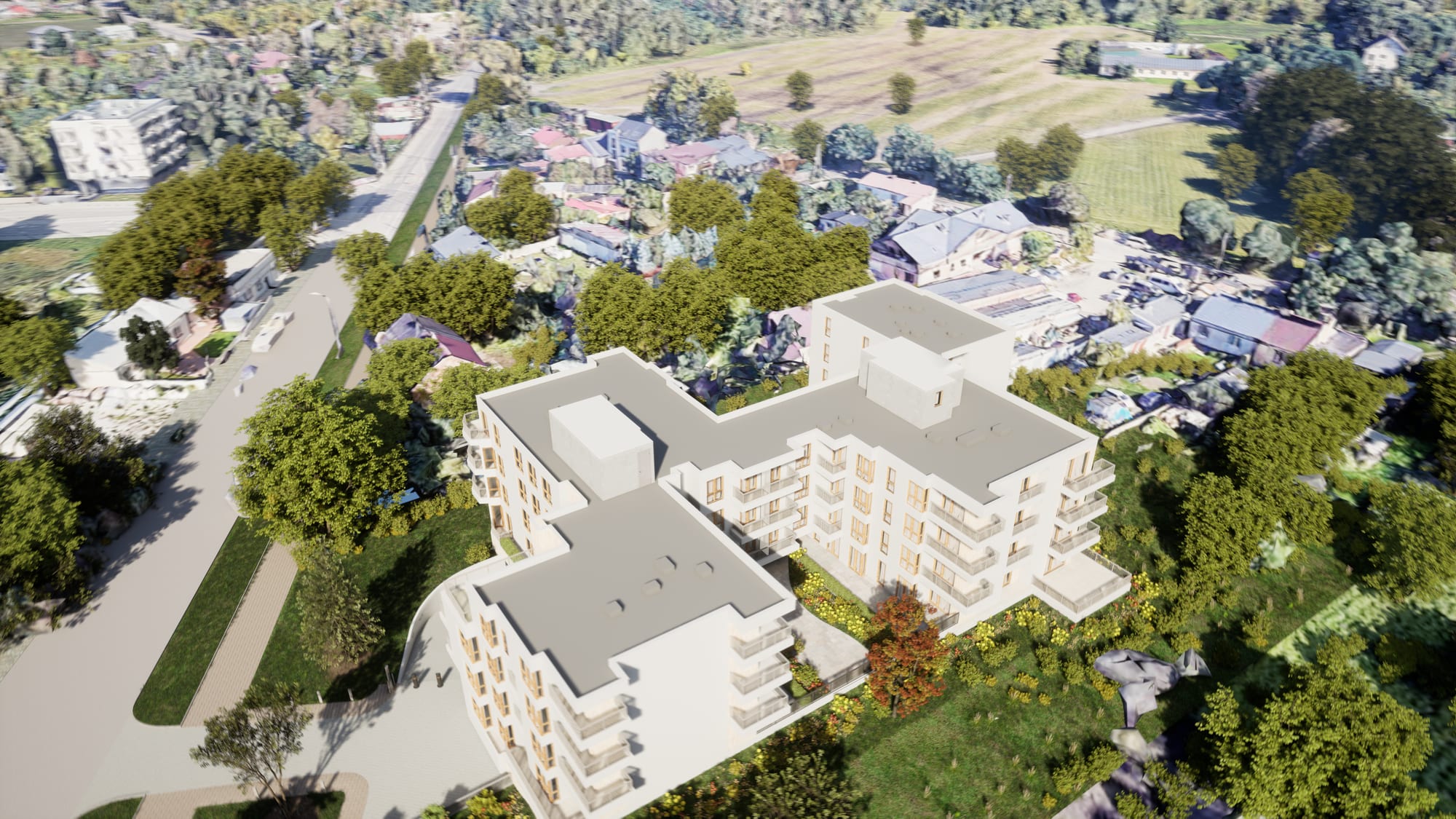
- Confidence the thing will look as promised — which is what a photoreal render buys you, and why a weak visualisation is more expensive than it looks.
- Confidence in what they are actually buying — orientation, floor, outlook, exact area, not a unit code on a spreadsheet.
- Confidence in the developer — track record, planning status, and a sales process that answers questions without three days of email.
The tail is the hard part
Threshold is usually not reached evenly. The best units go quickly and the last stretch drags, which is where projects slip. Those remaining units are typically the ones that are hardest to picture — lower floors, awkward aspects, or types that read badly on a plan.
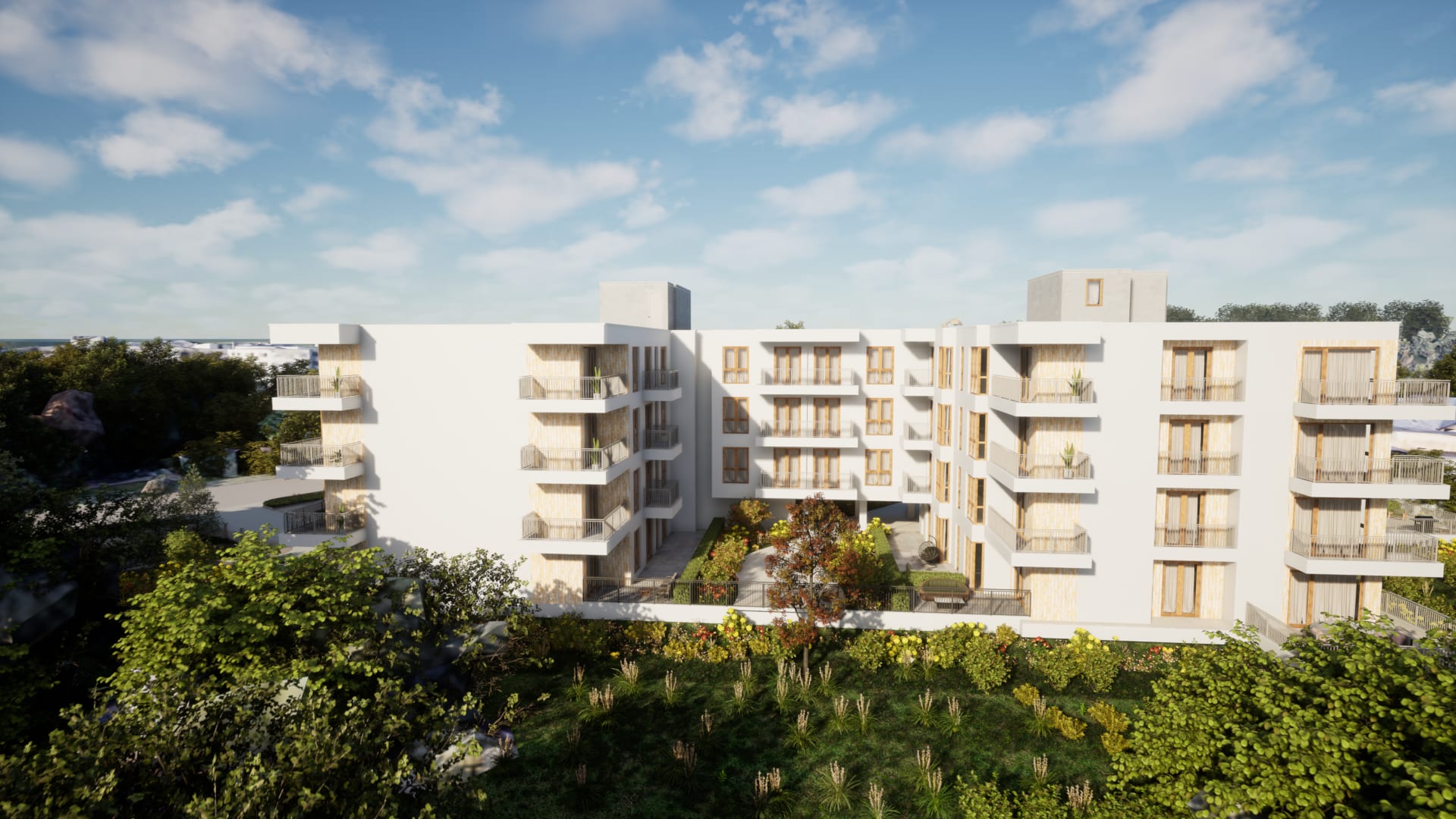
Those are exactly the units that benefit most from being shown in context. A north-facing second floor sounds like a compromise on a spreadsheet and looks like a quiet apartment over a courtyard when you can see it.
The practical planning point
Work backwards from the threshold date. Sales materials should be finished before the sales suite opens, not commissioned when it does. Two to six weeks of production, planned in, is cheap against the cost of a launch that starts slow.
Book a call
See your own building running like this.
Send us the development — units, floors, and whatever drawings or model you already have. We come back with what it would look like, what it would cost, and how long it would take.